Eco Clean Locksmith & Keys Service Team
Local locksmith team
Aug 19, 2026 10 min read
If you've ever stepped out on a January morning in Toronto — maybe somewhere off Eglinton Avenue or parked overnight near the Danforth — and found your car door or front deadbolt completely frozen solid, you know the particular dread that comes with it. A frozen lock isn't just an inconvenience; handled the wrong way, it can snap your key, damage the lock cylinder, or leave you standing in -20°C wind chill with no way in.
The good news: most frozen locks respond to safe, simple thawing methods. The trick is knowing which approach to use, when to stop, and when to call a trained locksmith rather than risk turning a minor cold-snap problem into a costly lock installation or replacement job. Here's a practical guide built for Toronto winters.
## Why Toronto Cold Snaps Freeze Locks (and Why Forcing It Makes Things Worse)
When temperatures drop sharply — as they reliably do in the GTA from December through February — moisture that has crept into a lock cylinder freezes and expands, jamming the internal pins and tumblers. This happens on car door locks, residential deadbolts, sliding door lock mechanisms, padlocks, and even keypad entry systems where moisture seeps around the keyway or the battery bay. The problem is compounded by freeze-thaw cycles: a warmish afternoon followed by a sharp overnight drop can pack ice tighter than a single sustained freeze.
The instinct is to crank harder on the key or shoulder the door. Resist that. A frozen lock cylinder has almost no give — forcing a key can snap it flush in the barrel, and a snapped key extraction is a separate locksmith job on top of everything else. Forcing a frozen sliding door lock can bend the latch or warp the frame, which may mean a full sliding door lock replacement down the line. Patience, and the right method, saves both time and money.
## Safe Ways to Thaw a Frozen Door Lock Yourself
Before you do anything, check the obvious: is there another unlocked entrance to your home or vehicle? A side door, garage entry, or a spare key held by a neighbour are always the cleanest solution. If you're locked out of your car, check every door before attempting to thaw the driver's side lock. Once you've confirmed there's no other way in, here are the approaches that actually work safely. First, commercial lock de-icer — sold at most Canadian Tire locations and hardware stores across the GTA — works by introducing a low-freezing-point solvent directly into the keyway. Insert the straw nozzle, apply a short burst, wait 30 seconds, and try your key with gentle, even pressure. Second, a hand sanitizer that contains at least 60% isopropyl alcohol can be applied to your key blade and slowly worked into the lock — the alcohol lowers the freezing point of the trapped ice. Third, a portable heat source such as a hairdryer (practical for a home lock near an outdoor outlet) or a purpose-built electric lock heater can gently warm the cylinder. Never use an open flame — a butane lighter or torch can warp metal components, melt rubber door seals, and leave carbon deposits in the cylinder that cause problems for months afterward.
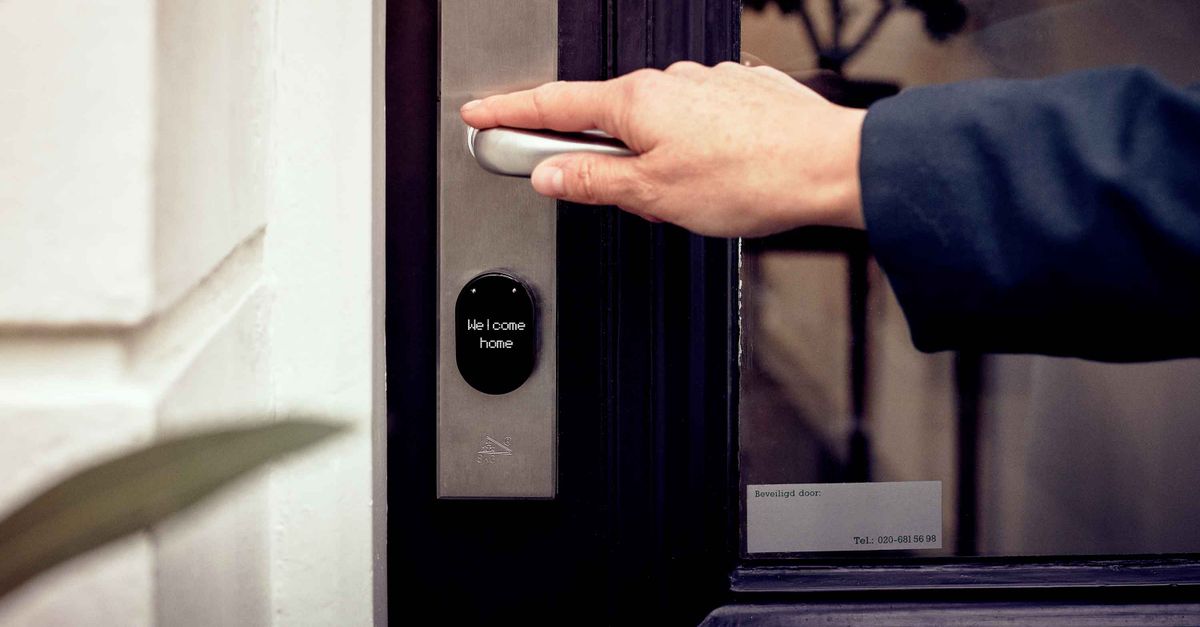
For keypad door locks or smart lock installations, the approach is different. These locks often freeze around the keypad membrane or the motor mechanism rather than a physical cylinder. Gently warming the exterior casing with warm (not hot) air from a hairdryer is your safest move. Never pour hot water over any lock — residential or automotive — because as soon as the water cools in sub-zero air, you'll have a worse ice problem than you started with. After thawing, press the keypad as normal and allow the motor a moment to respond. If you've been wondering how to change the code on a keypad door lock or how to change a code on a door lock after a lockout event — for instance, if you suspect ice damage affected the electronics — our locksmith team can assess the unit and walk you through reprogramming or recommend a replacement if needed.
## When to Stop and Call a Locksmith Instead
There are situations where DIY thawing is the wrong call, and recognizing them early saves you from a much larger problem. Call a professional locksmith if: your key turns but the latch or bolt won't move (the lock cylinder is free but the mechanism itself is seized or damaged); you've applied de-icer twice with no result and the lock feels solid rather than loosening; you can feel or hear the key beginning to bend under pressure; the door itself appears to have shifted in the frame due to frost heave, making the bolt and strike plate misaligned; or the lock is an older, worn unit that was already stiff before winter hit. Older locks lose their internal lubrication over years and become ice magnets — a cold snap is often what finally finishes them off.
If you're in this situation, call Eco Clean Locksmith & Keys at (647) 557-2066. We operate 24/7 across Toronto and the wider GTA, so whether it's 6 a.m. on a weekday or during a Sunday night deep freeze, a trained locksmith can be dispatched to your location. We'll confirm an exact, up-front price before any work begins — the final quote reflects factors like the type of lock or vehicle, time of service, travel distance, and any parts required for on-site lock installation or replacement.
## Preventing Frozen Locks Before the Next Cold Snap
Prevention is genuinely simpler than the cure. A small amount of graphite lubricant — available at any hardware store — applied to a residential lock cylinder two or three times per season keeps moisture from penetrating and bonding with the internal pins. For car door locks, a silicone-based spray applied around the rubber door seals and into the lock mechanism helps repel water before it can freeze. Avoid oil-based lubricants like WD-40 as a long-term solution inside a lock cylinder: they attract dirt and can gum up the mechanism over time, especially in the temperature swings Toronto winters deliver.
If your sliding door lock has been freezing repeatedly, that's worth addressing before spring. Repeated freeze events stress the latch mechanism and the lock housing. A trained locksmith can inspect whether the lock needs relubrication, adjustment, or a full sliding door lock replacement — and can also assess whether the sliding door track alignment is contributing to the problem. Upgrading to a higher-quality lock at that point is often worthwhile: a deadbolt or multi-point lock from a brand like Schlage or Kwikset is engineered to tighter tolerances that leave less room for water ingress. If you're considering how to change a door lock on a sliding patio door, this is actually a good opportunity to upgrade your home security at the same time.
## Smart Lock Upgrades: A Cold-Weather Silver Lining
A frozen lock is an unpleasant reminder that traditional keyed cylinders have a real vulnerability in Canadian winters. Many Toronto homeowners who've dealt with repeated freeze-outs have made the switch to smart lock installation on their main and side entries — and for good reason. A quality smart lock with a keypad or app-based entry eliminates the fumbling for keys in the cold entirely. You enter a code, touch a pad, or use your phone, and the door opens. There's no keyway for moisture to collect in.
That said, smart locks aren't entirely immune to cold — extreme temperatures can affect battery performance and some electronic components. Our locksmith team handles smart lock installation throughout Toronto and can help you choose a unit rated for Canadian climate conditions. We also handle the after-install details: if you're unsure how to change the code on a keypad door lock once it's set up, or how to change the code on a door lock after giving temporary access to a contractor or house-sitter, we'll show you exactly how the programming works before we leave. Whether you're looking at a straightforward door lock installation, a deadbolt swap, or a full smart lock upgrade, we carry the parts and have the experience to complete the job in a single visit — no second trips needed. Call us at (647) 557-2066 any time, day or night.
## Our Locksmith Services Across the Toronto Area
Eco Clean Locksmith & Keys is a fully mobile, 24/7 locksmith serving Toronto and the surrounding GTA. Our team handles a wide range of residential, automotive, and commercial locksmith needs, including: residential lockout service, car lockout service, trunk opening, broken key extraction, rekey service (changing locks without replacing them), master key system setup, deadbolt installation, knob and lever lock installation, door lock installation for new construction and renovations, sliding door lock replacement, patio door lock repair, smart lock installation and programming, keypad door lock installation and code changes, Schlage lock installation, Kwikset lock installation, high-security lock upgrades, lock cylinder replacement, commercial door lock installation, office and storefront lockout service, mailbox lock replacement, garage door lock service, padlock and hasps installation, change door lock service (same hardware, new keys), key cutting and duplication, lost key replacement, and transponder key programming for vehicles. If your situation isn't listed here, call us — our mobile units are stocked for the unexpected.
Frequently asked questions
Is it safe to pour warm water on a frozen lock?+
No — this is one of the most common mistakes Toronto drivers and homeowners make. Warm water does melt surface ice, but as soon as the water cools in sub-zero air, it refreezes inside and around the lock cylinder, often creating a worse jam than you started with. Stick to lock de-icer, isopropyl alcohol, or carefully applied warm air from a hairdryer.
My key turns but the door still won't open — is the lock broken?+
Not necessarily, but it does mean the problem has moved past the cylinder. The latch or bolt mechanism may be frozen in position, the door frame may have shifted due to frost heave (very common in older Toronto homes), or the strike plate alignment may be off. These are situations where a trained locksmith should take a look rather than applying more force, which risks bending the bolt or damaging the frame.
How much does it cost to replace a frozen or damaged lock?+
There's no single flat answer, because the final price depends on several factors: the type and brand of lock, whether it's a residential deadbolt, a sliding door lock, a smart lock, or a vehicle lock; the time of day; travel distance to your location; and whether parts need to be sourced on the spot. What we always do is confirm an exact, up-front price before any work begins — no surprises on the invoice. Call (647) 557-2066 for a same-day assessment.
Can a locksmith help me change or reset the code on my keypad lock after a freeze incident?+
Absolutely. If your keypad or smart lock has been through a hard freeze and you're unsure whether the electronics are functioning correctly, or if you simply want to update your access code — for example, after giving a house-sitter temporary access — our locksmith team can assess the unit, confirm it's operating normally, and walk you through how to change the code on your specific keypad door lock model. If the freeze caused internal damage, we can advise on repair or replacement during the same visit.