Eco Clean Locksmith & Keys Service Team
Local locksmith team
Nov 18, 2026 11 min read
If you've ever had to shoulder-check your own front door just to get the latch to catch, you're not alone — it's one of the most common calls we get from Toronto homeowners, especially after a harsh winter or a particularly humid summer. A door that won't close properly isn't just annoying; it's a real security gap, and in a city where temperatures swing from -20°C in January to +35°C in August, your door frame takes a serious beating every single year.
The good news is that most of the causes are identifiable, and knowing what's behind the problem tells you exactly who to call — a locksmith, a carpenter, or sometimes both. This guide walks you through the most likely culprits, what you can check yourself, and when it's time to bring in a professional to protect your home properly.
## Why Toronto's Climate Is Hard on Door Frames
Toronto sits in a climate zone that swings between extreme cold and heavy humidity, and that combination is brutal on wood. In winter, frames contract and gaps appear. By July and August, wood absorbs moisture from the air and expands — sometimes enough to press the door tight against the frame so it barely moves. This seasonal wood swelling is the number-one reason homeowners suddenly find their door won't latch in summer, and equally, why drafts appear along the edges come February. If your door closes perfectly in spring and fall but fights you in peak summer or deep winter, the frame itself is usually the culprit, not the lock hardware.
The Annex, Roncesvalles, and older pockets of East York are full of homes built in the early 1900s with solid wood frames that have been absorbing and releasing moisture for over a century. Layers of paint added over decades can also seal moisture into the wood, making swelling worse. A carpenter can plane a swollen door edge or adjust the stop molding. But before you assume it's purely a wood problem, check the hardware — because a warped frame and a shifted strike plate often happen at the same time, and that's where your locksmith comes in.
## Misaligned Strike Plates: A Locksmith's Fix, Not a Carpenter's
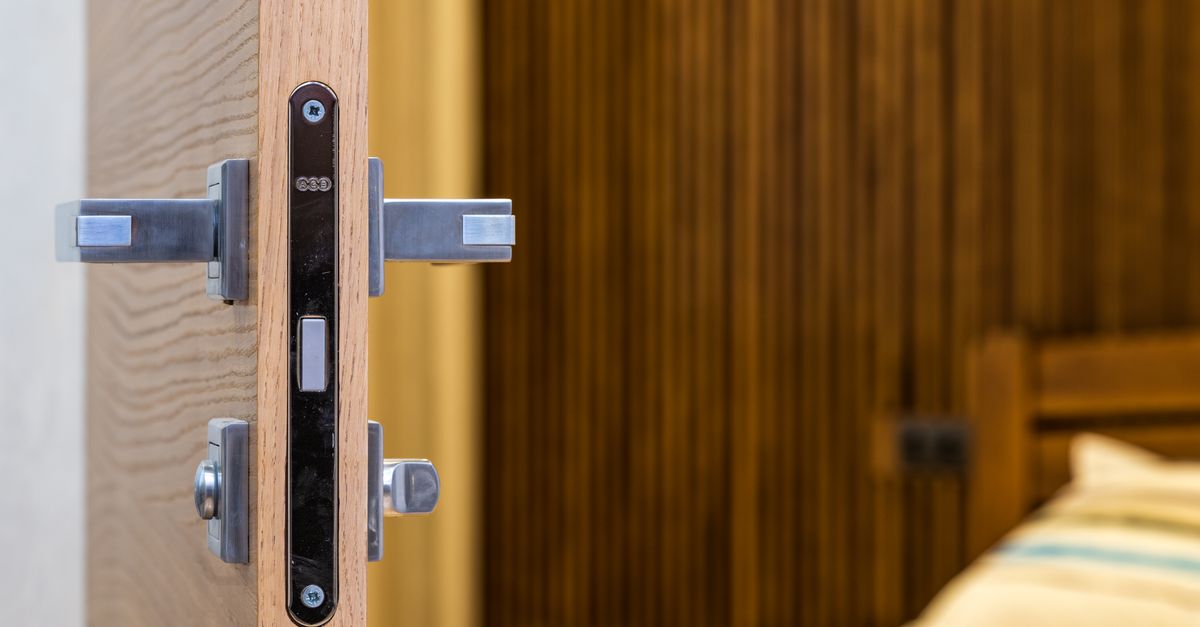
The strike plate is the small metal plate mortised into your door frame where the latch bolt seats when the door closes. Over time — through foundation settling, repeated slamming, or seasonal frame movement — that plate can shift just a few millimetres out of alignment. That's all it takes for the latch to ride against the edge of the plate instead of dropping cleanly into the hole, leaving you with a door that feels like it closes but never truly latches. You might also notice the door knob won't lock from inside properly, even though nothing seems obviously wrong with the lock itself.
Checking alignment is straightforward: close the door slowly and watch where the latch hits the strike plate. If it catches on the top or bottom lip, the plate needs to move. A temporary fix is to file the strike plate opening slightly larger, but the right repair is repositioning the plate and filling the old screw holes. This is squarely within locksmith territory. While you're addressing the strike plate, it's also worth having the lock mechanism itself inspected — sometimes what looks like a frame problem is actually a worn latch that isn't extending fully. If your lever door handle won't lock or the bolt feels sluggish, the internal mechanism may need servicing or replacement at the same time.
## Foundation Shifts, Settling, and When the Problem Is Bigger Than the Door
Toronto's clay-heavy soil is notorious for seasonal movement. As the ground freezes and thaws, foundations shift slightly — sometimes enough to rack a door frame out of square. When a frame is no longer plumb and square, the door fits the opening like a rectangle trying to sit in a parallelogram: it'll close in one corner but gap in another, and the latch will never seat properly no matter how many times you adjust the strike plate. Signs of this include a visible gap that's wide at the top and narrow at the bottom (or vice versa), or a door that scrapes the threshold on one side while floating above it on the other.
If you suspect foundation movement, start by holding a level against the frame on both the hinge side and the latch side. If the frame has moved significantly, a carpenter or contractor needs to assess the structural situation first. That said, once the frame is addressed, a locksmith should re-evaluate all the hardware — including the lock, latch, hinges, and door closer installation if one is present — to make sure everything is re-calibrated to the corrected frame. Skipping that step means your security hardware is still set for a crooked frame, and your door still won't close securely.
## Hinge Problems, Loose Screws, and the Fix That Takes Ten Minutes
Before calling anyone, check your hinges. A door that sags at the latch side — causing the latch to hit below the strike plate — is almost always a hinge problem. The most common cause is stripped screw holes: the screws that anchor the hinge to the frame spin freely and no longer hold, so the door drops. The quick DIY fix is to remove the screws, plug the holes with wooden toothpicks and wood glue, let it dry, and re-drive the screws into the solid wood. Longer hinge screws (3-inch rather than the standard ¾-inch) that reach the structural stud behind the frame make an even more durable fix and dramatically improve the door's resistance to forced entry at the same time.
If tightening the hinges doesn't resolve the issue, or if the door is very heavy — common with solid-core security doors — the hinges themselves may be bent or the wrong weight rating for the door. This is especially relevant if you've recently upgraded to a heavier door or added a commercial-grade lock that added weight. In these cases, a locksmith can assess whether the hardware configuration is appropriate and recommend the right hinge or door closer installation to manage the door's weight and swing properly. A properly fitted door closer also protects the frame from the repeated impact of a door that swings shut on its own too hard, which is a hidden cause of long-term misalignment.
## When to Call a Locksmith vs. a Carpenter — and When You Need Both
Here's the practical breakdown Toronto homeowners need: call a carpenter when the problem is clearly structural — a warped or swollen door slab, a frame that's out of square, damaged wood that needs replacing, or a threshold issue. Call a locksmith when the problem involves the hardware — a strike plate that needs repositioning, a latch or bolt that won't extend properly, a lock cylinder that's seized, or any situation where you need the security of the door evaluated alongside the fit. If you've recently lost your rim lock key or found that your door hardware has been tampered with, that's a locksmith call, full stop — don't attempt to force or bypass the mechanism yourself, as that can damage the door further and compromise your security.
In many real-world cases, you'll need both professionals sequentially: the carpenter fixes the frame or planes the door, then the locksmith resets the strike plate, services the lock, and confirms the door closes and locks properly under real conditions. At Eco Clean Locksmith & Keys, our team handles residential lock assessments, strike plate adjustments, latch and cylinder servicing, door closer installation, and full lock replacements — all as a 24/7 mobile service across the Toronto area. If you're not sure whether your problem is hardware or structure, calling us first is a reasonable starting point; we'll give you an honest assessment and tell you if the job calls for a carpenter instead. The factors that determine your final quote — lock type, parts needed, travel distance, and time of call — are always confirmed up front before any work begins, so there are no surprises. Call (647) 557-2066 any time to have one of our skilled locksmiths take a look.
## Preventive Steps That Keep Toronto Doors Closing Properly Year-Round
A little maintenance in spring and fall goes a long way. Each season, check your hinges for loose screws and tighten them. Apply a silicone-based lubricant (not WD-40, which attracts dust) to the latch bolt and strike plate to keep metal-on-metal movement smooth. If your door has a wood frame and you notice seasonal sticking, a thin coat of paste wax on the door edges that make contact with the frame can reduce friction without trapping moisture the way paint can.
For doors with electronic or keypad locks, seasonal checks matter for the hardware side of the door too — a door that doesn't sit squarely in the frame can put pressure on electronic latch mechanisms in ways they're not designed for, leading to premature wear. If you've recently changed your security setup and find yourself wondering how to change my door lock code or troubleshoot a keypad that's behaving erratically, a locksmith can walk you through both the electronic programming and the mechanical fit of the door together. Homeowners sometimes change the code on their door lock after a tenant moves out or keys are lost, then discover the door isn't latching reliably — that combination of a software reset and a hardware check is exactly the kind of two-part service our team handles on the same visit. For anything urgent — a door that won't secure overnight, a lost rim lock key with no spare, or a lock that's seized in the cold — Eco Clean Locksmith & Keys is available around the clock. Call (647) 557-2066 and we'll dispatch a trained locksmith to your Toronto home, day or night.
Frequently asked questions
My door closes but the latch won't catch — do I need a new lock or just a strike plate adjustment?+
In most cases, a strike plate adjustment is all that's needed. The latch is likely making contact with the edge of the plate rather than dropping cleanly into the hole, which happens when the frame shifts slightly or the door sags. A locksmith can reposition the plate and check the latch mechanism at the same time. If the latch bolt itself is worn, bent, or not extending fully, that component can often be replaced without changing the entire lock. We always assess both before recommending a full replacement.
How do I change the code on my door lock after a tenant moves out?+
The process varies by brand and model — most keypad locks from manufacturers like Schlage or Kwikset have a reprogramming sequence that involves the existing master code, a programming button on the interior panel, and entering your new code. The manual that came with the lock will have the exact steps. If you've lost the manual or inherited the lock and don't know the original master code, a locksmith can reset the lock to factory settings and walk you through setting a new code on the same visit. It's also worth having the lock and door fit inspected at the same time, especially after a tenancy, to confirm nothing has been damaged.
My lever door handle won't lock — is that a lock problem or a door alignment problem?+
It can be either, or both. A lever handle that won't lock is sometimes caused by the latch bolt not reaching the strike plate hole — a door alignment issue. But it can also mean the internal lock mechanism has worn or seized, particularly in older hardware that hasn't been serviced in years. The fastest way to tell: does the lock cylinder turn smoothly but the bolt doesn't engage, or does the cylinder itself feel stiff and resistant? Stiff cylinder points to a lock servicing or replacement need; a freely turning cylinder that doesn't throw the bolt properly usually points to alignment or a worn latch assembly. Either way, a locksmith can diagnose and resolve both causes.
When should I call a locksmith versus waiting until business hours?+
If your door won't close or latch securely overnight, that's not a situation to leave until morning — an unsecured door is an open invitation regardless of neighbourhood. The same applies if you've lost a rim lock key with no spare, if a lock cylinder has seized in cold weather, or if you've had a break-in attempt and the hardware is compromised. For non-urgent issues — like seasonal sticking that still allows the door to latch — you can schedule a daytime visit. Eco Clean Locksmith & Keys operates 24 hours a day, 7 days a week across Toronto, so the decision is always yours based on how secure your door is right now. Call (647) 557-2066 and we'll help you assess over the phone whether it's urgent.